In short
Athlete's foot is one of the easiest things to treat and one of the easiest to get back. Most people clear the itch, stop the cream, and are back where they started within a month or two. The treatment is rarely the problem. What happens around it usually is.
Here are the seven things that make the difference, roughly in the order they matter.
1. Keep using the cream after it looks better
This is the commonest reason it returns. The skin looks normal well before the fungus has gone, so stopping at that point leaves enough behind to start again. Carry on for a full fortnight after the last sign of it, even when that feels unnecessary.
2. Dry between your toes, every time
Not the general towelling most of us do, but the gap between the fourth and fifth toe specifically. That is where it usually starts and where a towel usually misses. If you cannot reach comfortably, a hairdryer on a cool setting does the job.
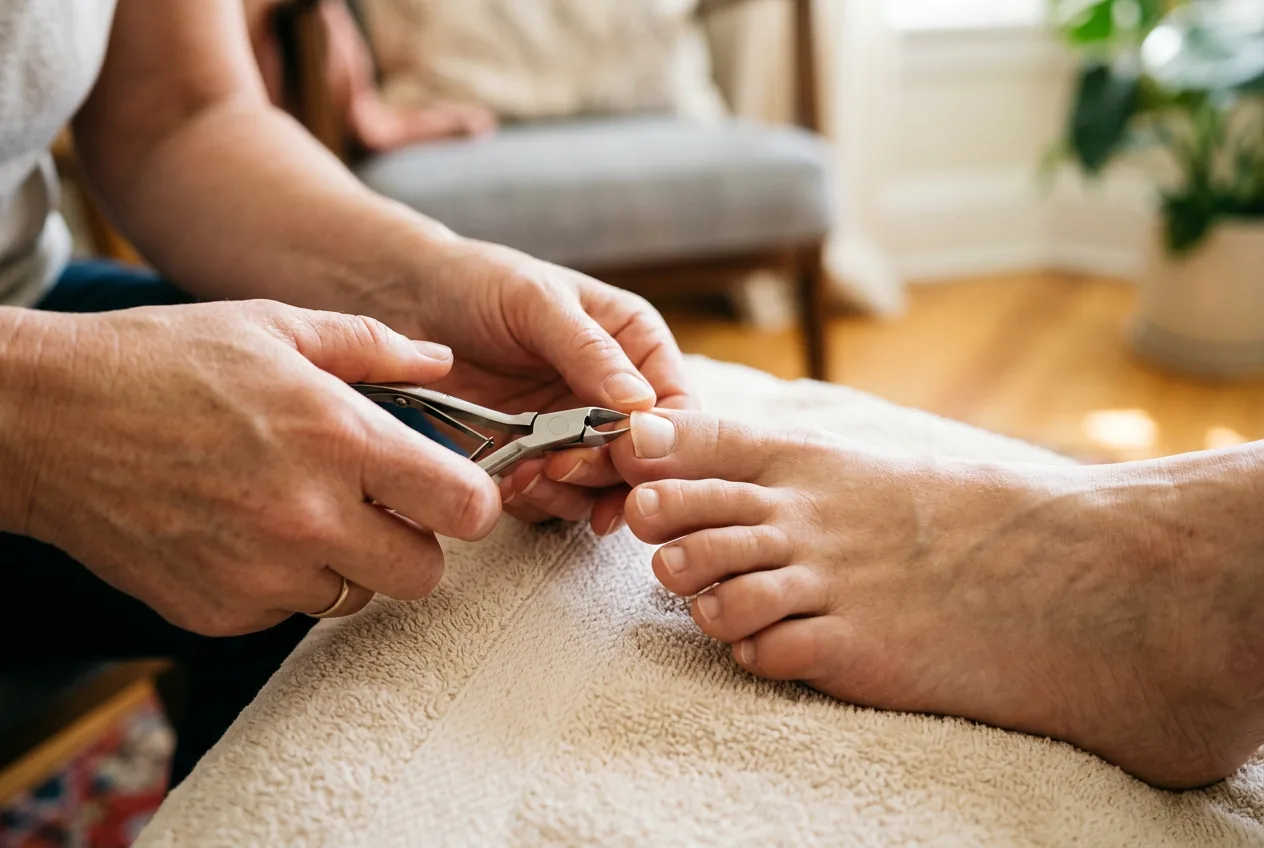
3. Treat the toenails, not just the skin
A thickened or yellowing nail is often the same fungus, and it will reinfect skin you have just cleared. This is the step people miss most often. If a nail looks involved, deal with both at once fungal nail infection.
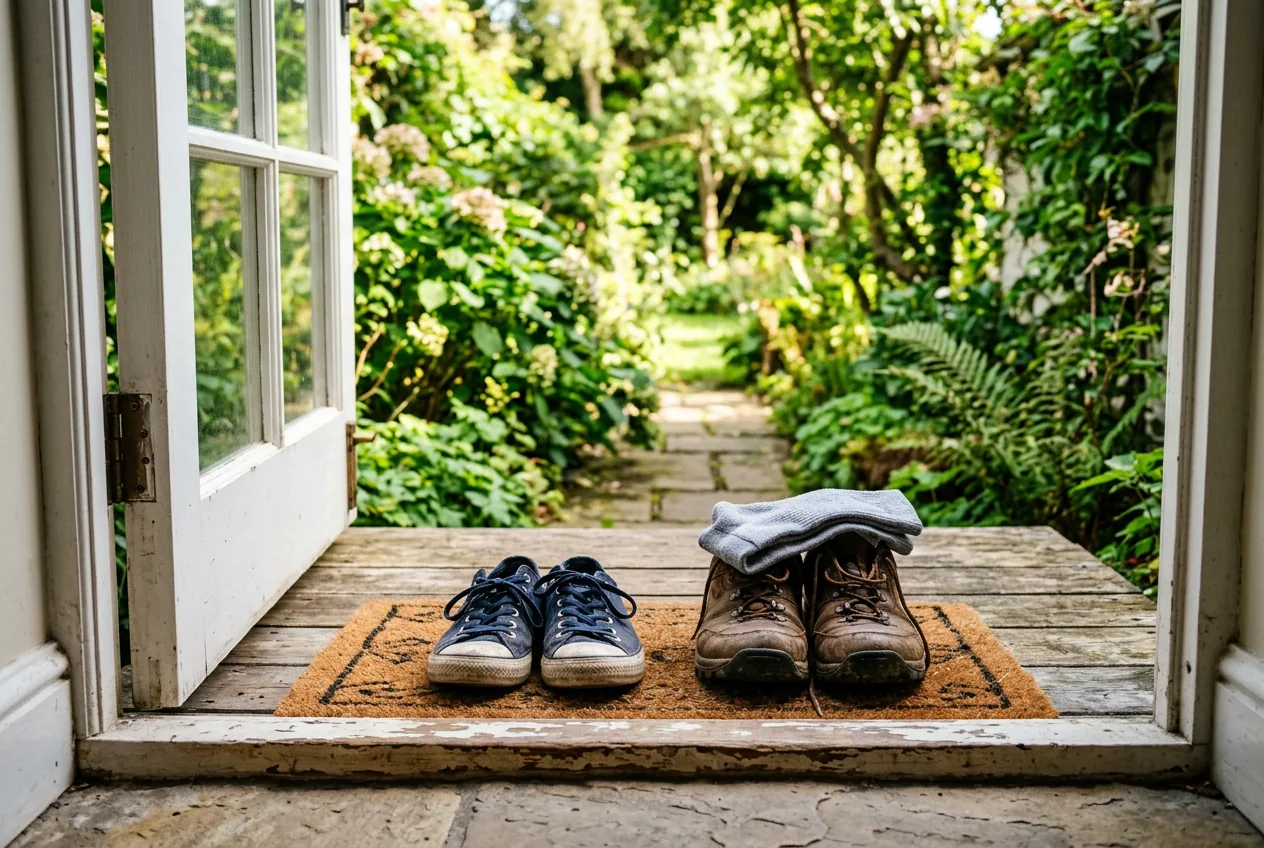
4. Give your shoes a day off
Shoes hold moisture and fungus for days. Two pairs worn on alternate days, each with a full day to dry out, does more than any spray. Leather and other breathable uppers dry faster than synthetic ones.
5. Change socks daily, and choose the right ones
Cotton or wool rather than nylon, changed daily, and twice on days when your feet get hot. Wash them at sixty degrees where the label allows it.
6. Cover up on wet communal floors
Changing rooms, swimming pools, communal showers and hotel bathrooms. Something on your feet takes ten seconds and removes the commonest way people pick it up in the first place.
7. Sort out the bathroom at home
If somebody else in the house has it, you will keep passing it back and forth. Separate towels, a bath mat washed hot, and everyone checking their own feet.
When it is not athlete's foot at all
Not every patch of peeling skin is fungal. Eczema, a reaction to something in a shoe and plain dryness all look similar, and a steroid cream on a fungal infection lets it spread. If four weeks of proper treatment has changed nothing, that is the moment to have it looked at rather than to buy something stronger.
Get it seen sooner if you have diabetes, if you have poor circulation or reduced feeling in your feet, or if the skin has split and the area is red, hot or swollen. A break in the skin between the toes is a recognised way for a more serious infection to get in.
If you would like it looked at properly, athlete's foot explains what an appointment involves.