
Skin problems
Chilblains
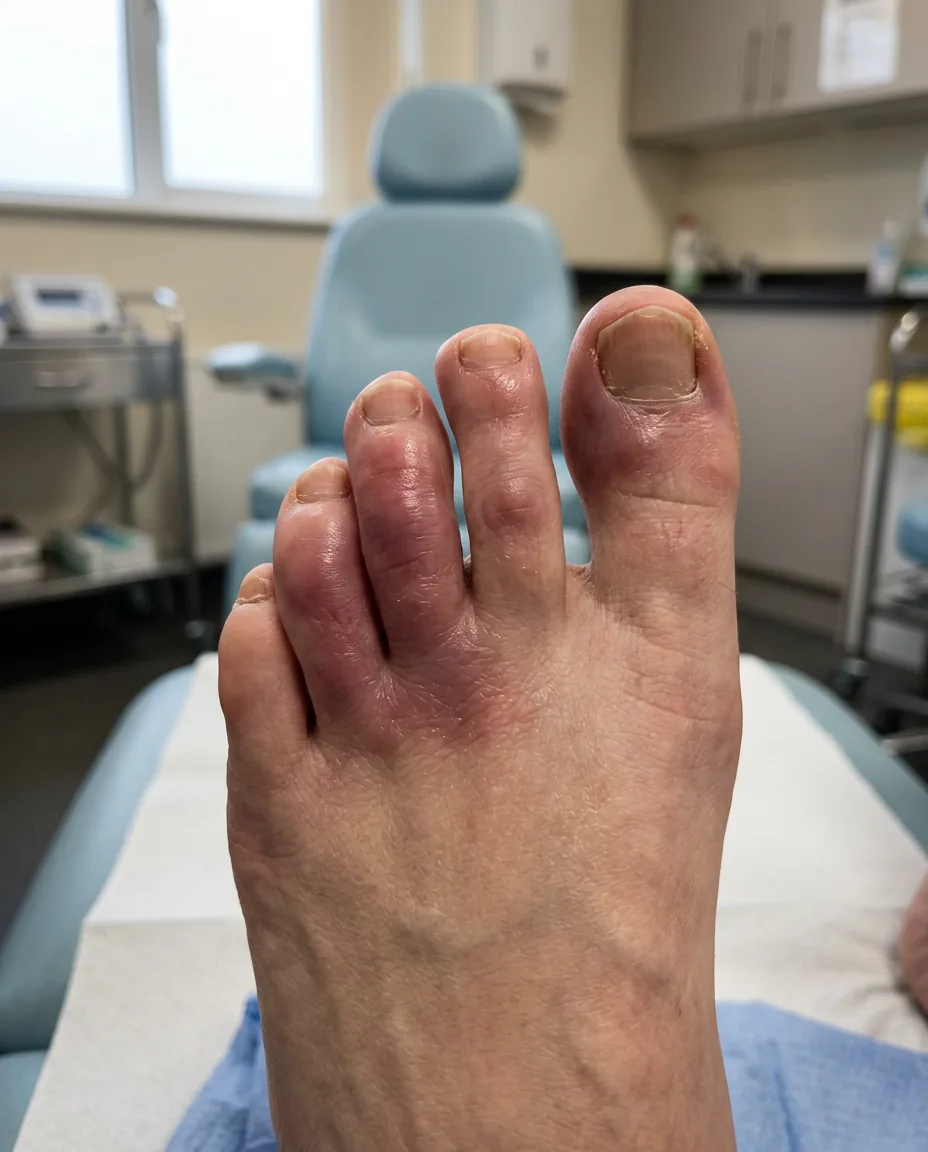
Chilblains are small patches of skin reacting badly to cold, usually on the toes. They itch, they burn once you are indoors, and they are far easier to prevent than to treat once they have come up.
Treatment Summary
How long
30 minutes
What it costs
£35
No new patient fee.
Getting in
Free parking at the Tesco next door, under a minute's walk.
What we do
Does it hurt
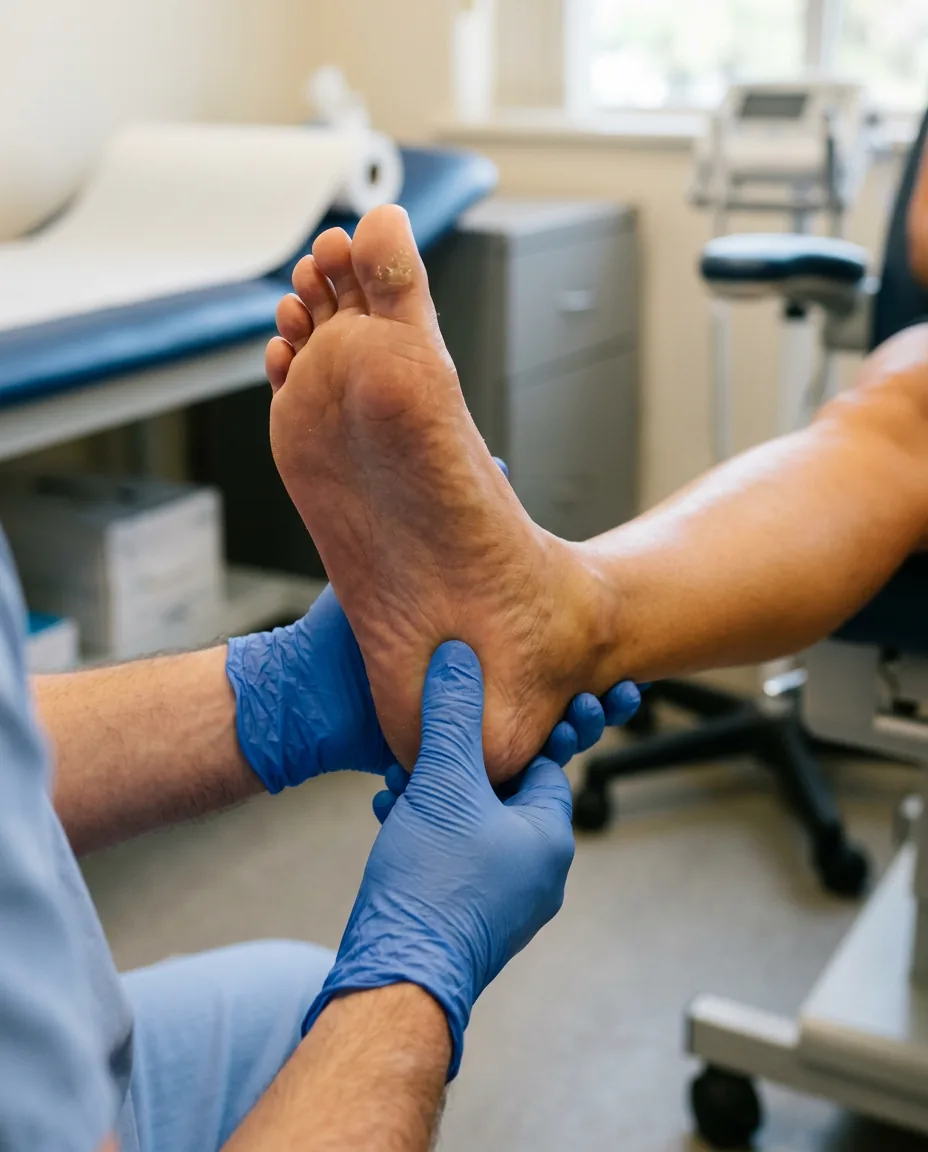
No. We look at the skin and take down any hard skin over a chilblain, which is painless. If one has broken down we clean and dress it, and we work gently.
A short line in a patient's own words goes here, once we have a real one to use.
Placeholder — name and town go here.
How to tell a chilblain from something else.
Cold red toes are common in winter and most of them are not chilblains. A chilblain is a specific reaction: patches that come up hours after being out in the cold, and then itch or burn as you warm up.
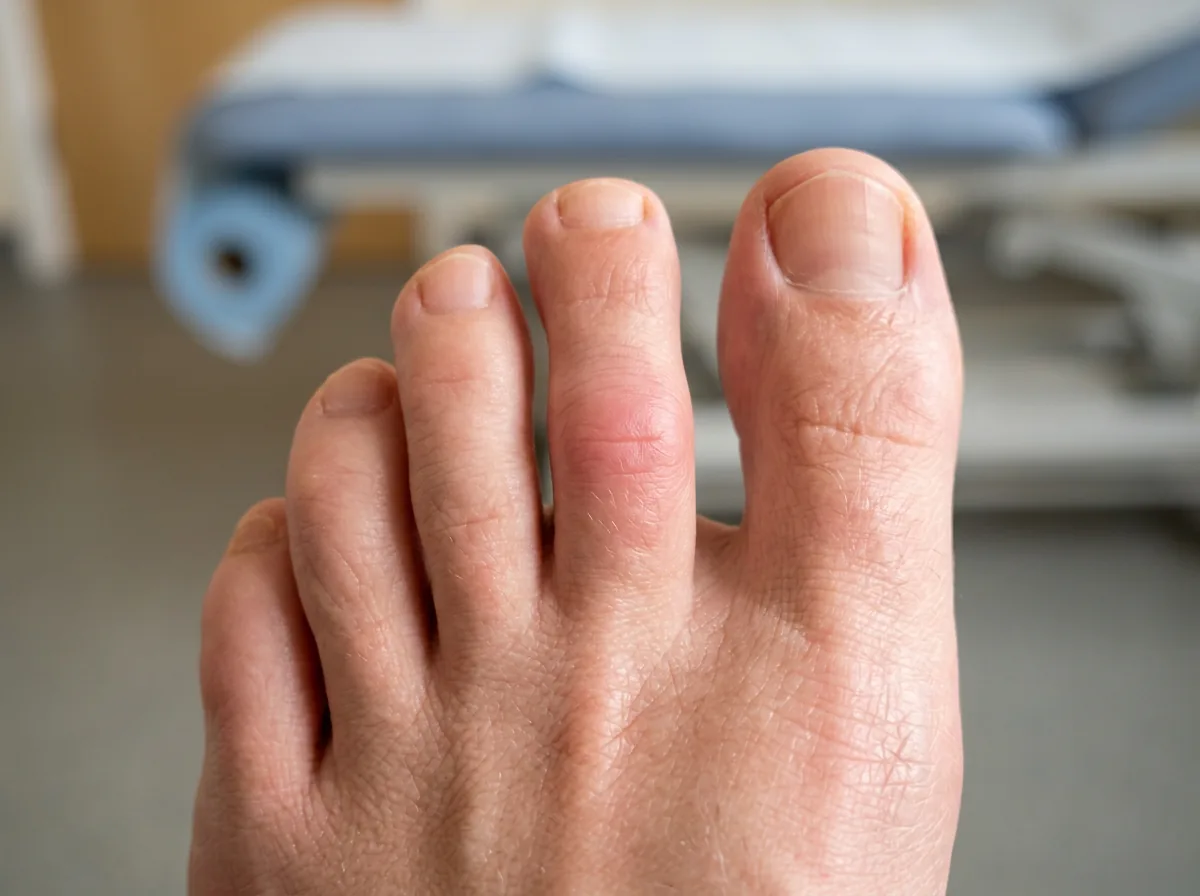
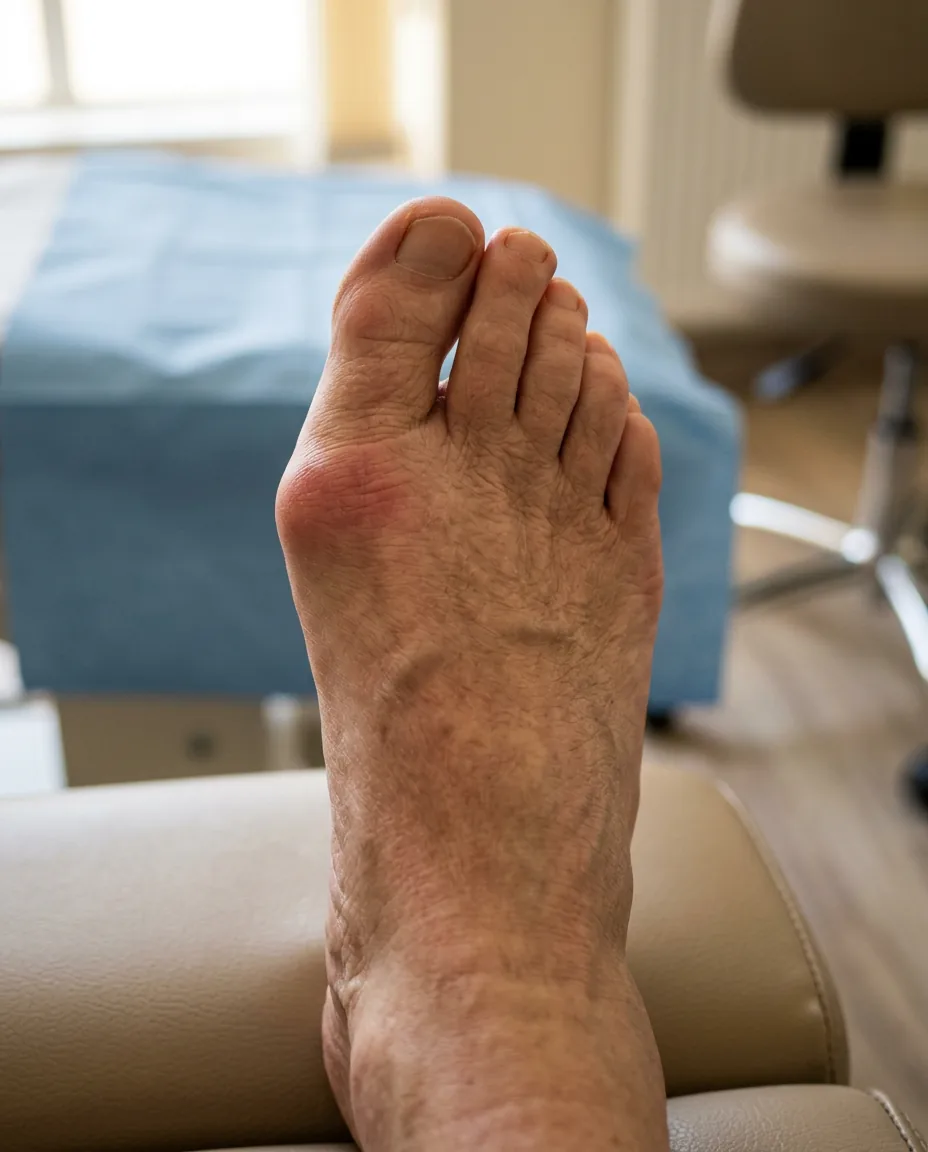
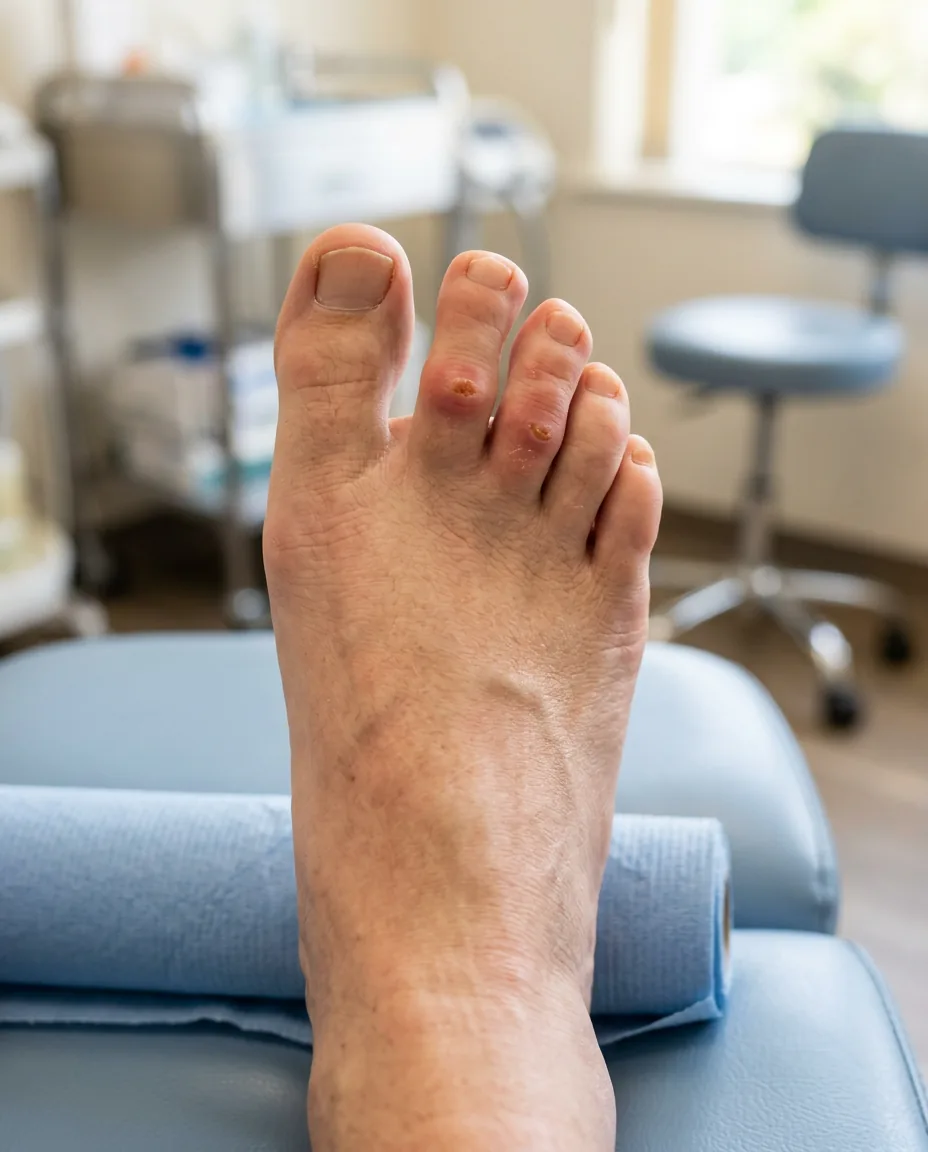
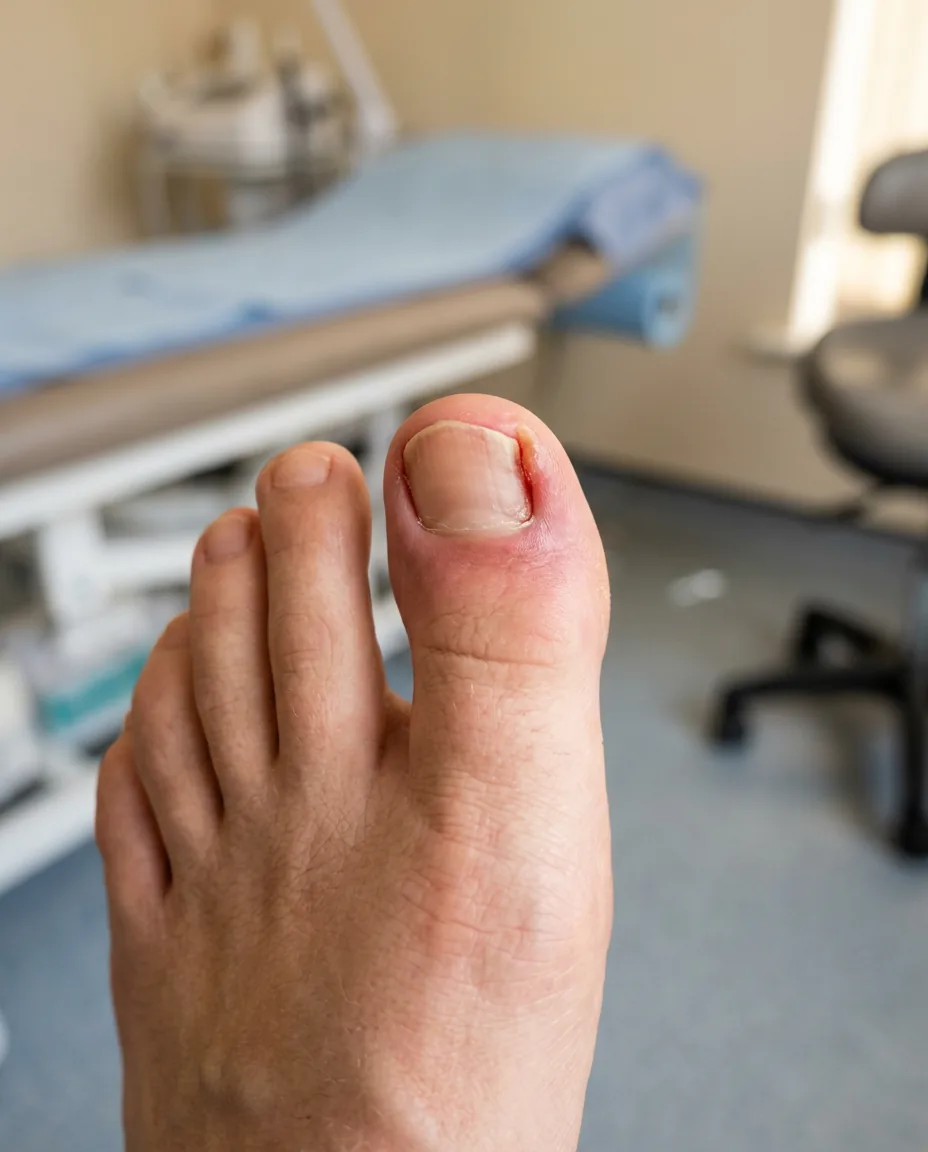
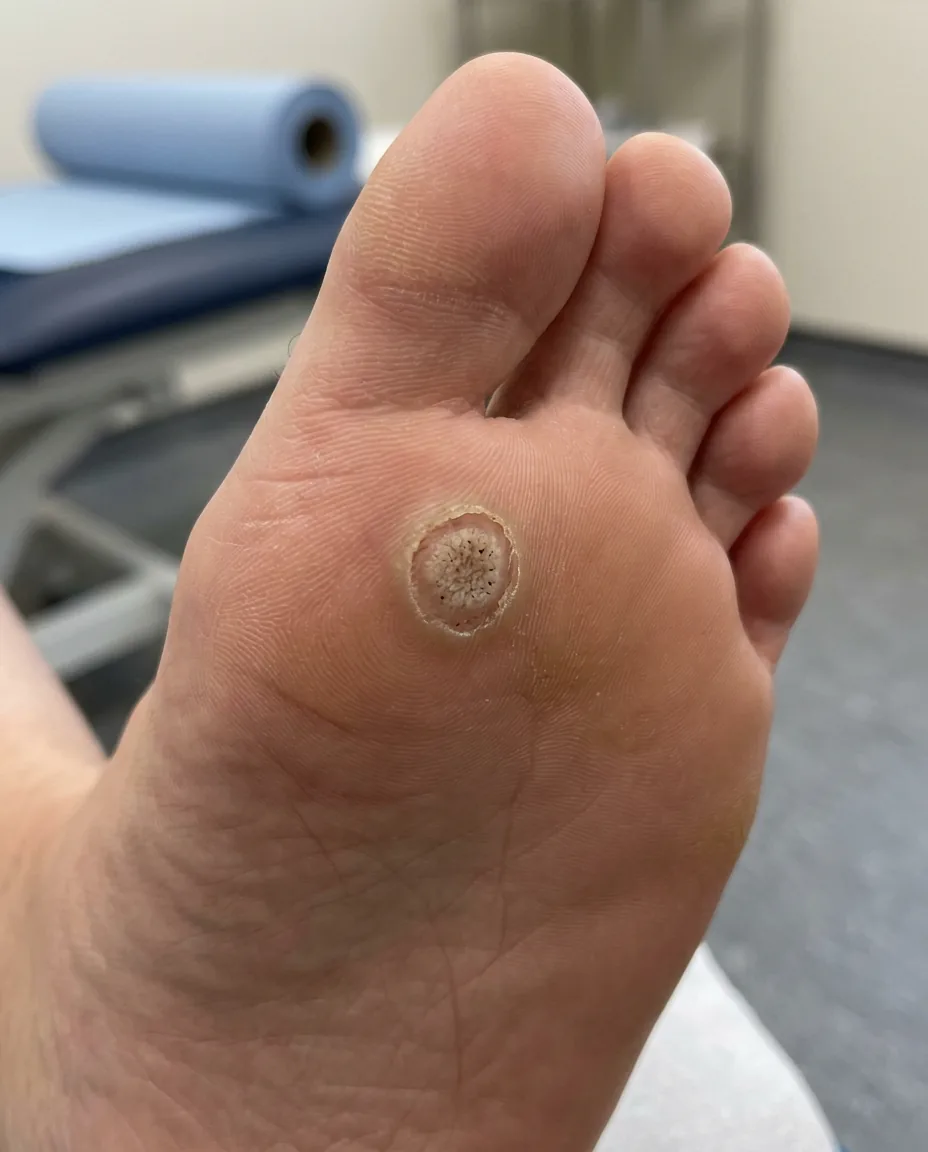
A single chilblain on one toe — at Complete Chiropody and Podiatry in Chester-le-Street
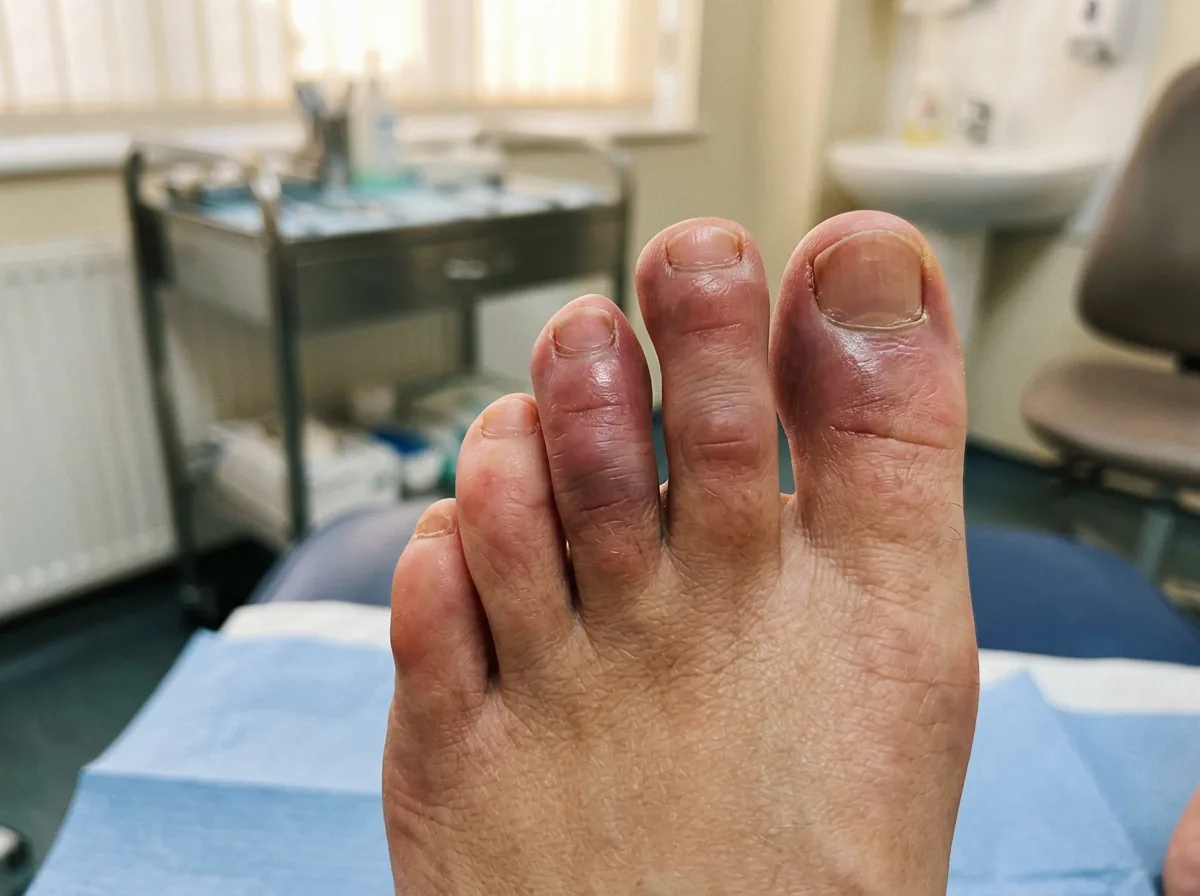
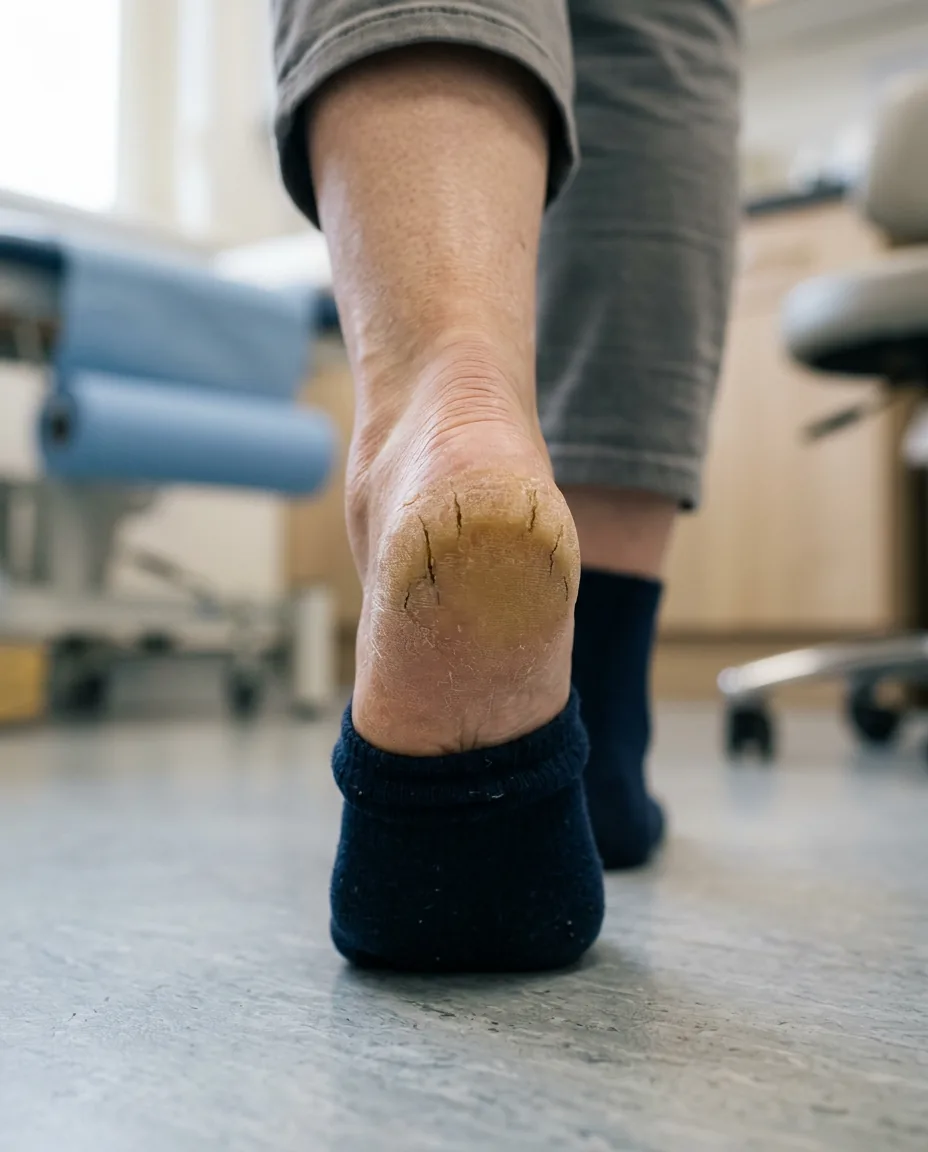
Several toes with dusky, swollen chilblains — at Complete Chiropody and Podiatry in Chester-le-Street
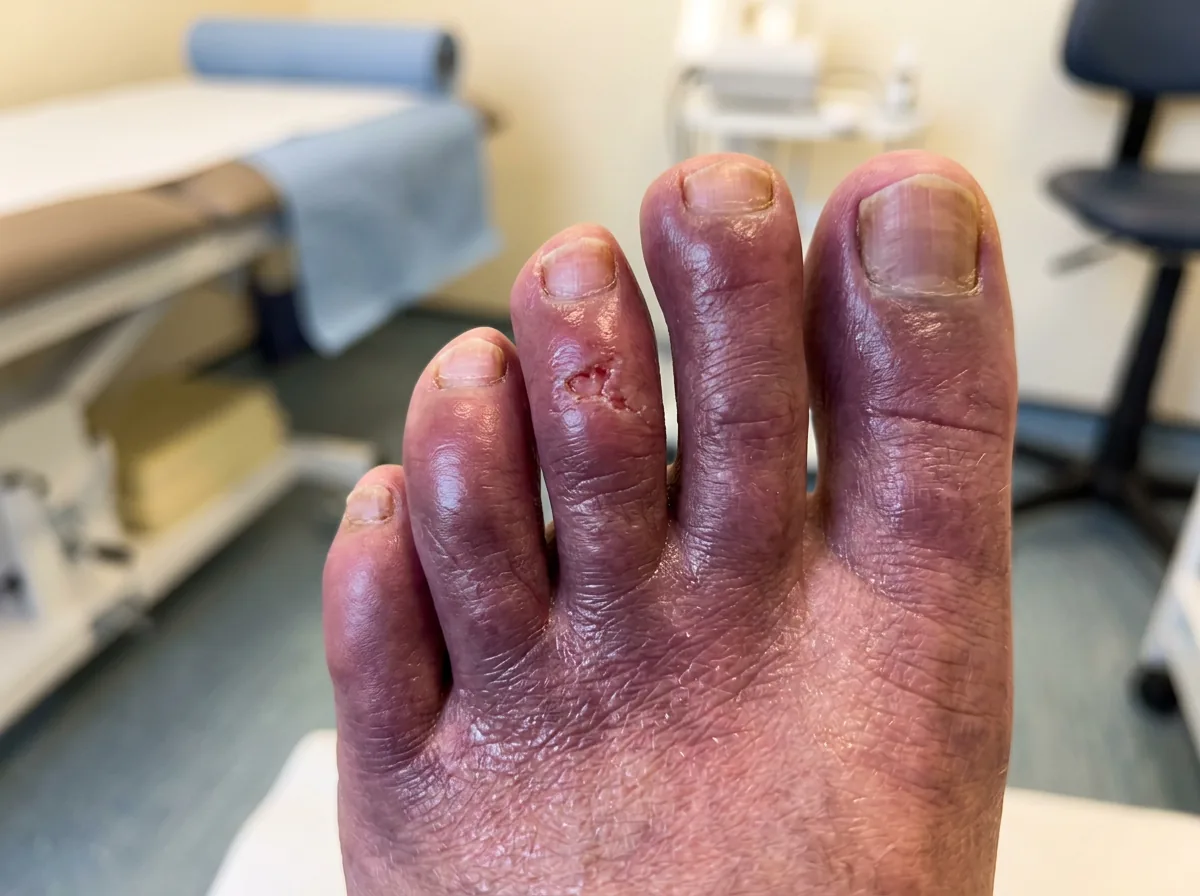
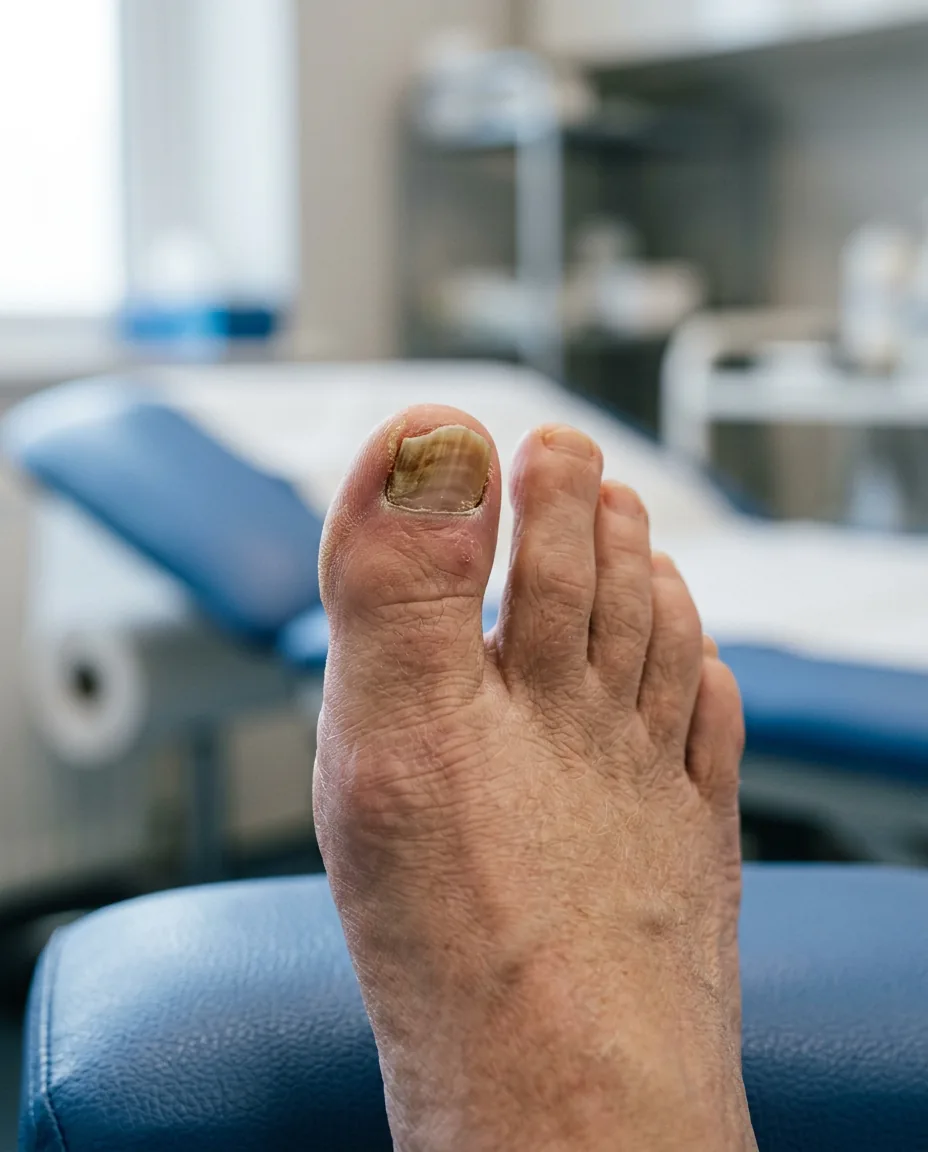
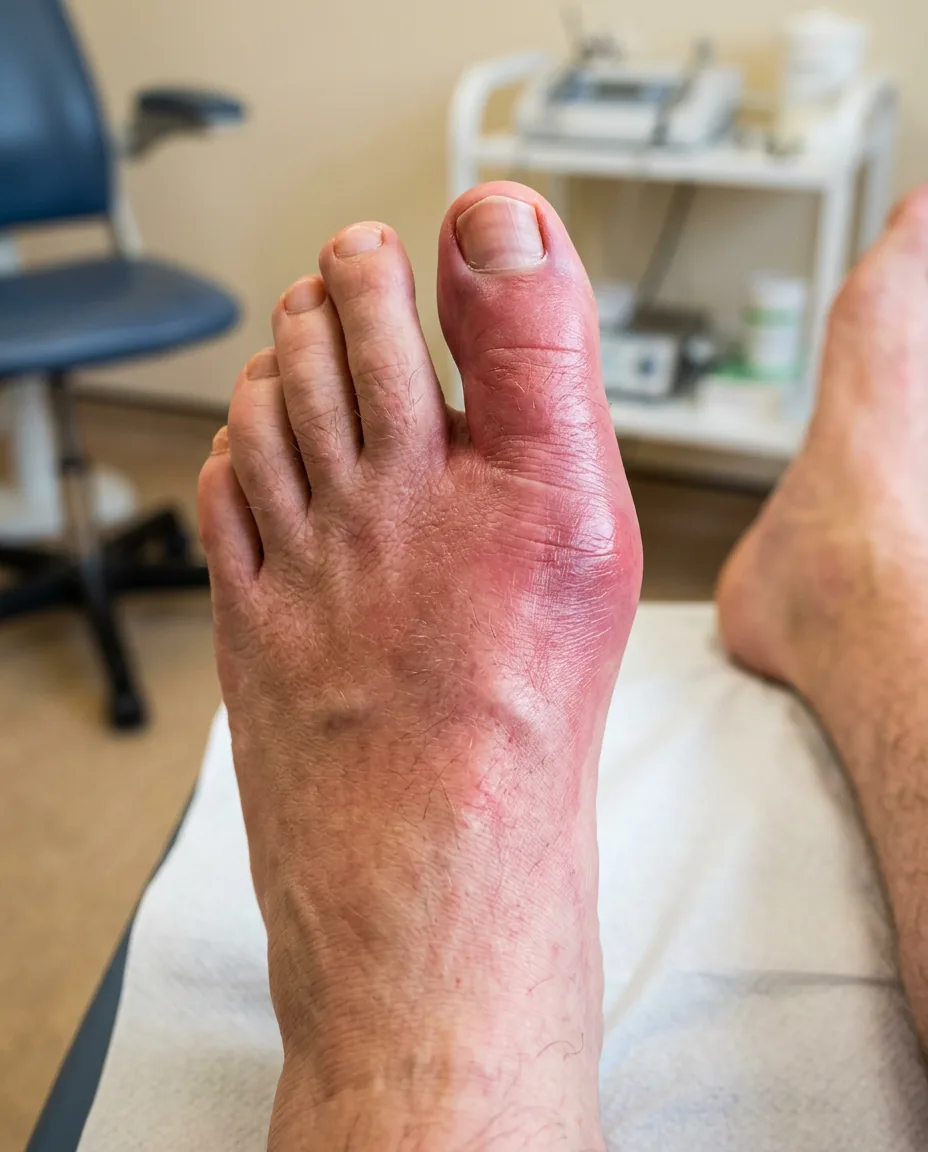
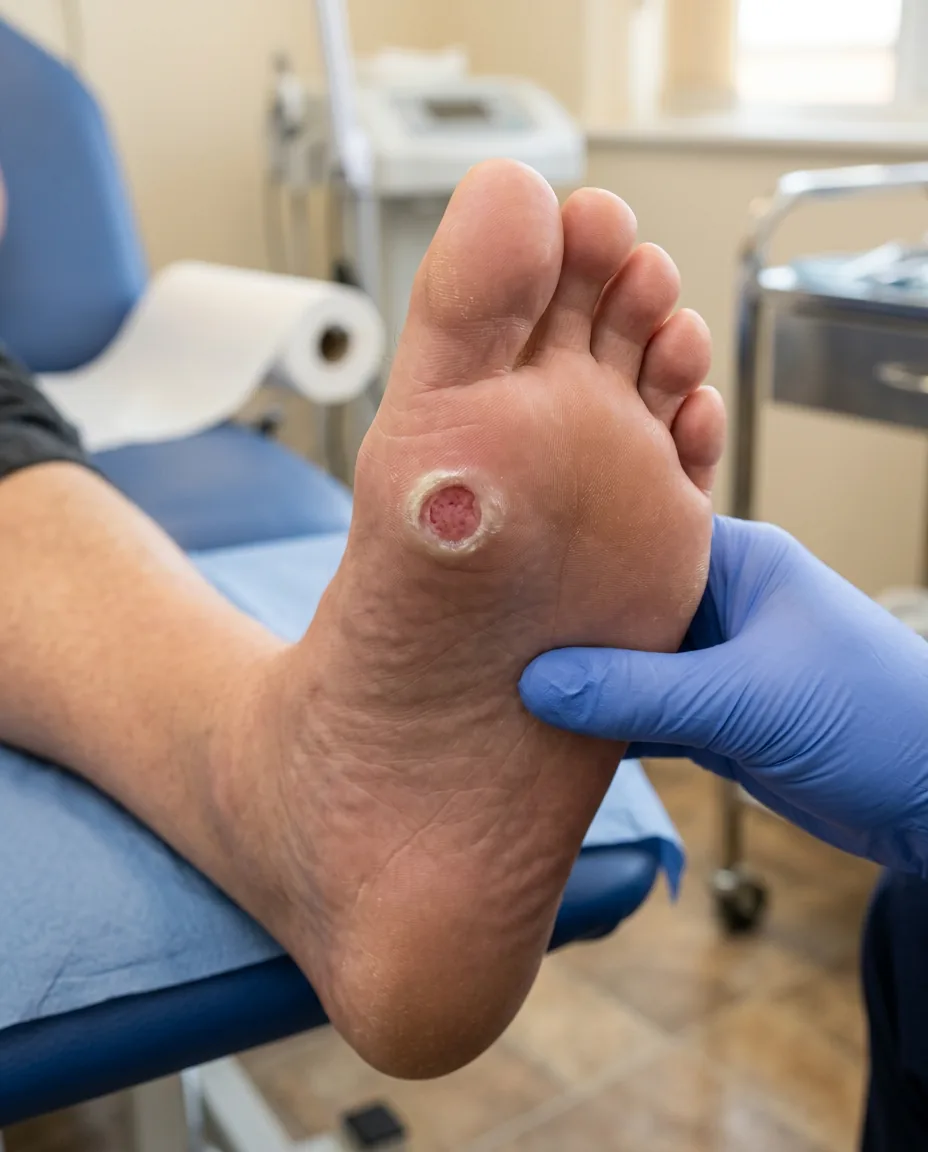
Severe chilblains with tense, broken skin — at Complete Chiropody and Podiatry in Chester-le-Street
Treatment Information
What we do about it.
01
We confirm what it is
Chilblains look like several other things, including a circulation problem and some inflammatory conditions. We check the pulses in your feet, because chilblains appearing for the first time later in life are occasionally the first sign that circulation needs looking at.
02
We protect anything that has broken
A chilblain that has blistered or opened is a break in the skin and it can become infected. It gets cleaned and dressed, and we tell you exactly what to watch for.
03
We stop the damage repeating
Rewarming too quickly is what causes most of the pain and most of the damage. Warm gradually, keep the whole of you warm rather than only your feet, and never put cold feet against a radiator or a hot water bottle.
04
We look at what else is going on
Smoking, some medications and certain circulatory conditions all make chilblains more likely. If the pattern points at one of those, we say so and write to your GP.
Getting through the winter
Get it looked at sooner if…
A toe that does not get its colour back once you are warm is not a chilblain, and it needs looking at quickly. Ring us the same day.
Online booking opens soon
Our appointment diary is not open just yet. Leave your details and be the first to know when it opens, so you can pick a time that suits you, evenings and weekends included.
Diary opening soonOr ring 07838 652554 and we will find you a time.

Rather talk to someone?
Ring during opening hours and you will speak to a person. Home visits are arranged this way.
Chilblains, or pernio, are a localised inflammatory response to cold, damp, non-freezing exposure. Vasoconstriction followed by rapid rewarming produces a leaky microvasculature and a perivascular inflammatory infiltrate, giving the characteristic erythrocyanotic papules on the digits, typically twelve to twenty four hours after exposure. Most are idiopathic and self-limiting over one to three weeks. Management is conservative: gradual rewarming, insulation, smoking cessation and care of any broken skin. Nifedipine has some evidence in recurrent or severe cases and is a GP prescription. The differentials that matter are peripheral arterial disease, Raynaud's phenomenon, and chilblain lupus or another connective tissue disease, suggested by lesions that persist, ulcerate or occur outside cold weather; those warrant blood tests rather than reassurance. In someone with diabetes or known arterial disease, an ulcerated chilblain is a wound and is managed as one.
Questions
Things people ask about chilblains.
Some people's blood vessels simply react more strongly to cold, and it tends to run in families. Being slim, being older, smoking and certain medications all raise the chances.
No, and that is the commonest mistake. Rapid rewarming is what produces the itch and the swelling. Warm socks and time do the job far better than a radiator ever will.
Most settle within one to three weeks provided the cold exposure that caused them stops. It is the ones that keep recurring, or that break down, that need more attention.
Nothing on the shelf makes much difference to the chilblain itself, though a plain moisturiser stops the skin cracking. If they are severe and recurrent there is a tablet your GP can consider.
It can be. Chilblains that appear outside cold weather, that ulcerate, or that come with symptoms elsewhere are worth blood tests. We would rather raise that than treat you for chilblains for three winters running.
Still have a question?
Ask it here and we will come back to you by email, usually the same working day. If it is urgent, calling is quicker.
Online booking opens soon
Our appointment diary is not open just yet. Leave your details and be the first to know when it opens, so you can pick a time that suits you, evenings and weekends included.
Diary opening soonOr ring 07838 652554 and we will find you a time.
Rather talk to someone?
Ring during opening hours and you will speak to a person. Home visits are arranged this way.
Chilblains
treatment in Chester-le-Street
Our clinic is in Chester-le-Street, right next to Tesco, so parking is free and it is less than a minute's walk from the car park to our door. We also see people from the towns and villages around it, and visit at home across the same area.