
Pain and mobility
Achilles pain
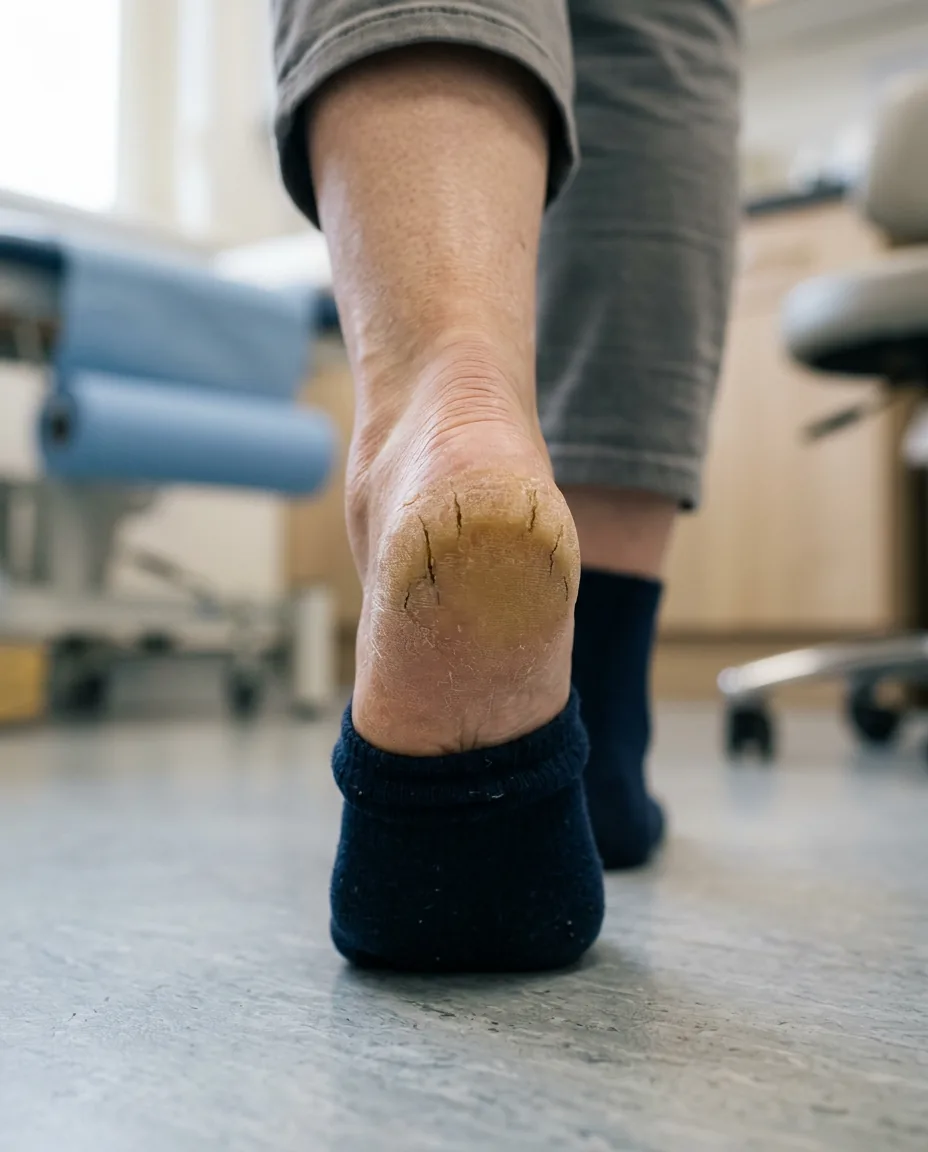
Pain at the back of the heel is the Achilles tendon rather than the plantar fascia, and it is treated almost the opposite way. Rest settles it briefly and it comes straight back. Loading it properly is what fixes it.
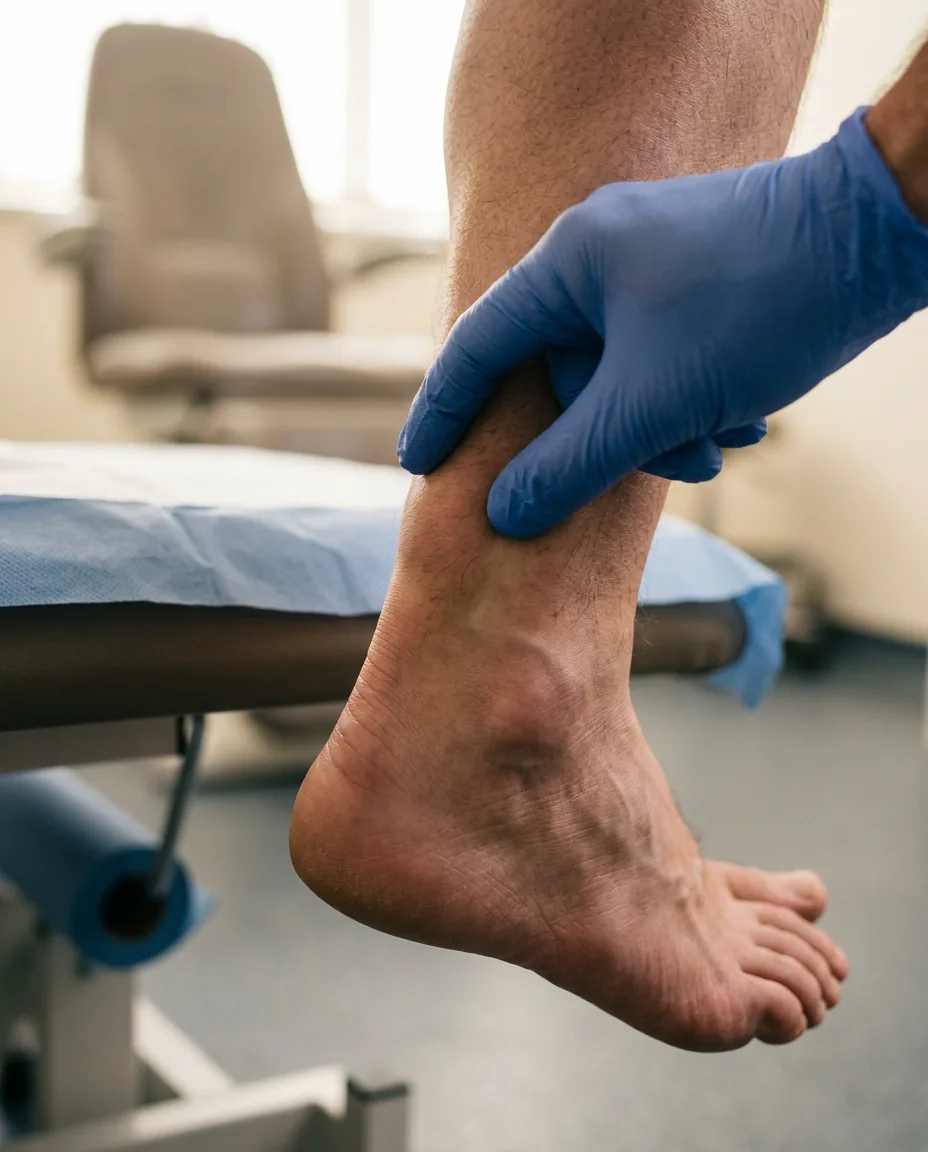
Treatment Summary
How long
30 minutes
What it costs
£35
No new patient fee.
Getting in
Free parking at the Tesco next door, under a minute's walk.
What we do
Does it hurt
The examination involves squeezing the tendon and testing it with your weight on it, which is tender for a moment. We tell you before we do it and we stop when you ask.
A short line in a patient's own words goes here, once we have a real one to use.
Placeholder — name and town go here.
How to tell it is the Achilles.
Under the heel is usually the plantar fascia. Behind the heel is the Achilles tendon or the bursa beneath it. The distinction matters, because the stretching that helps one can aggravate the other.
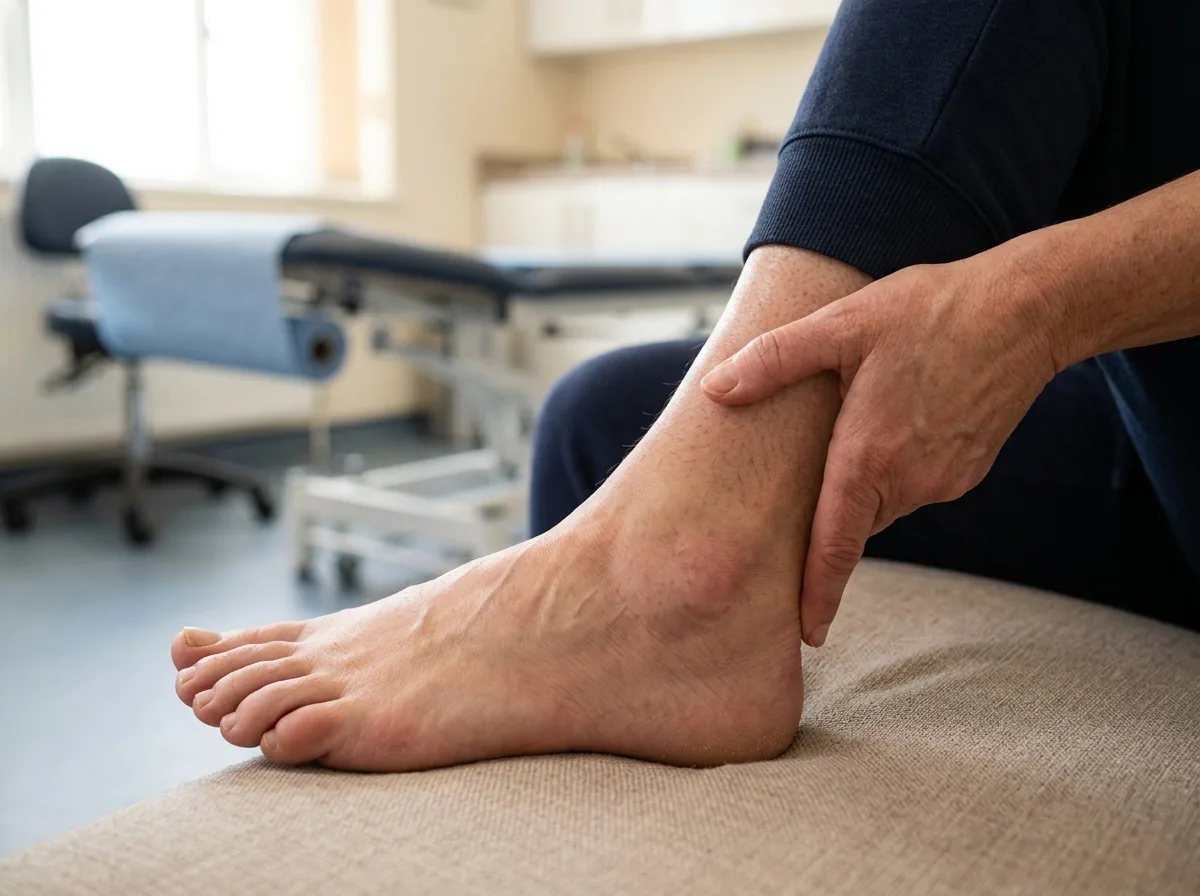
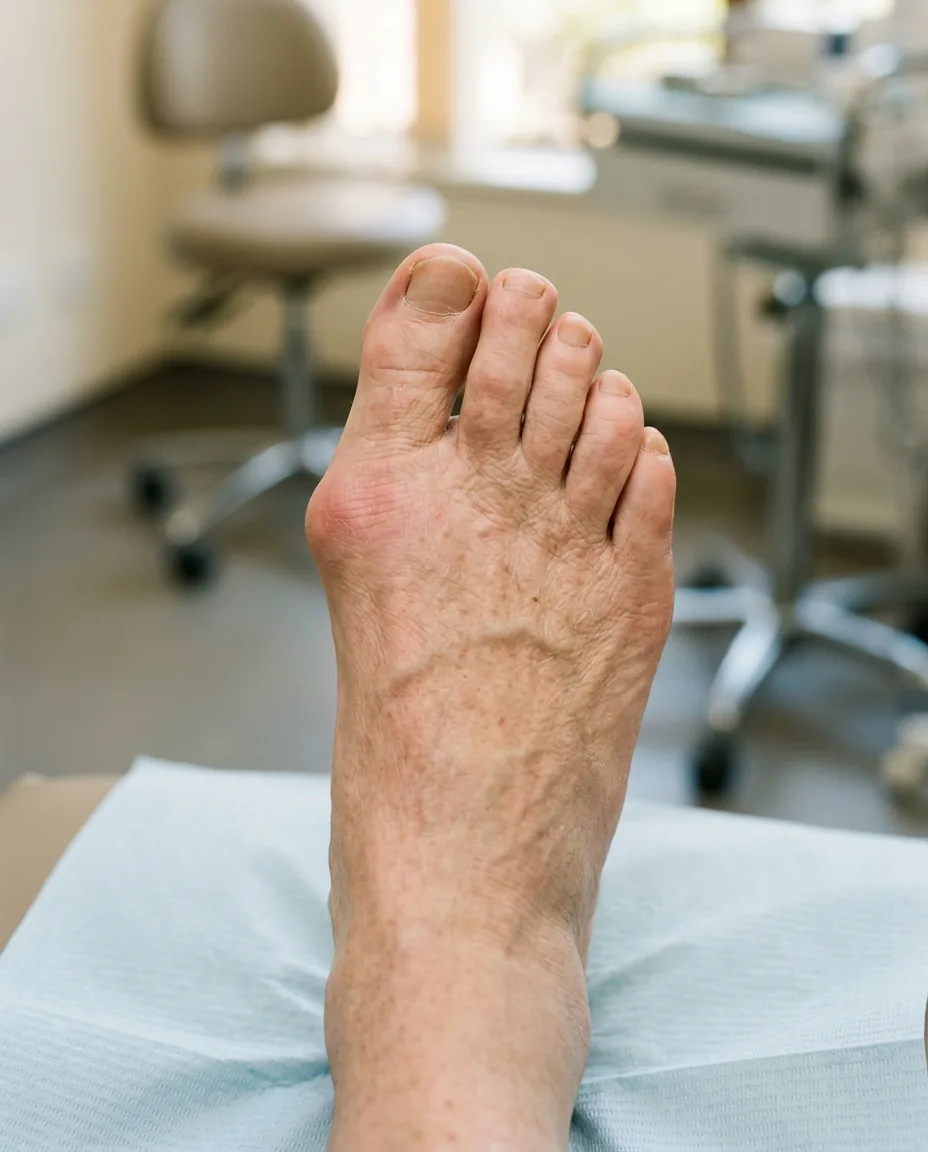
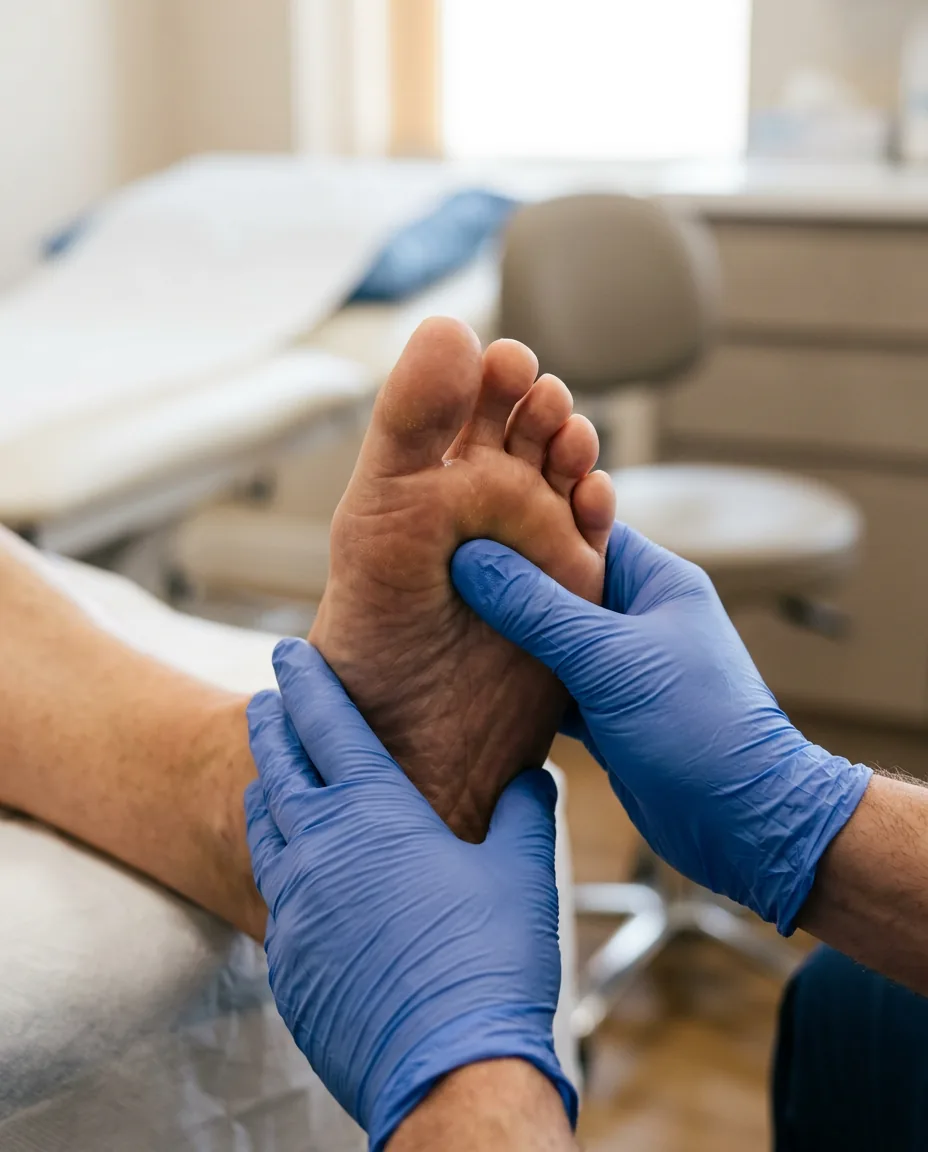
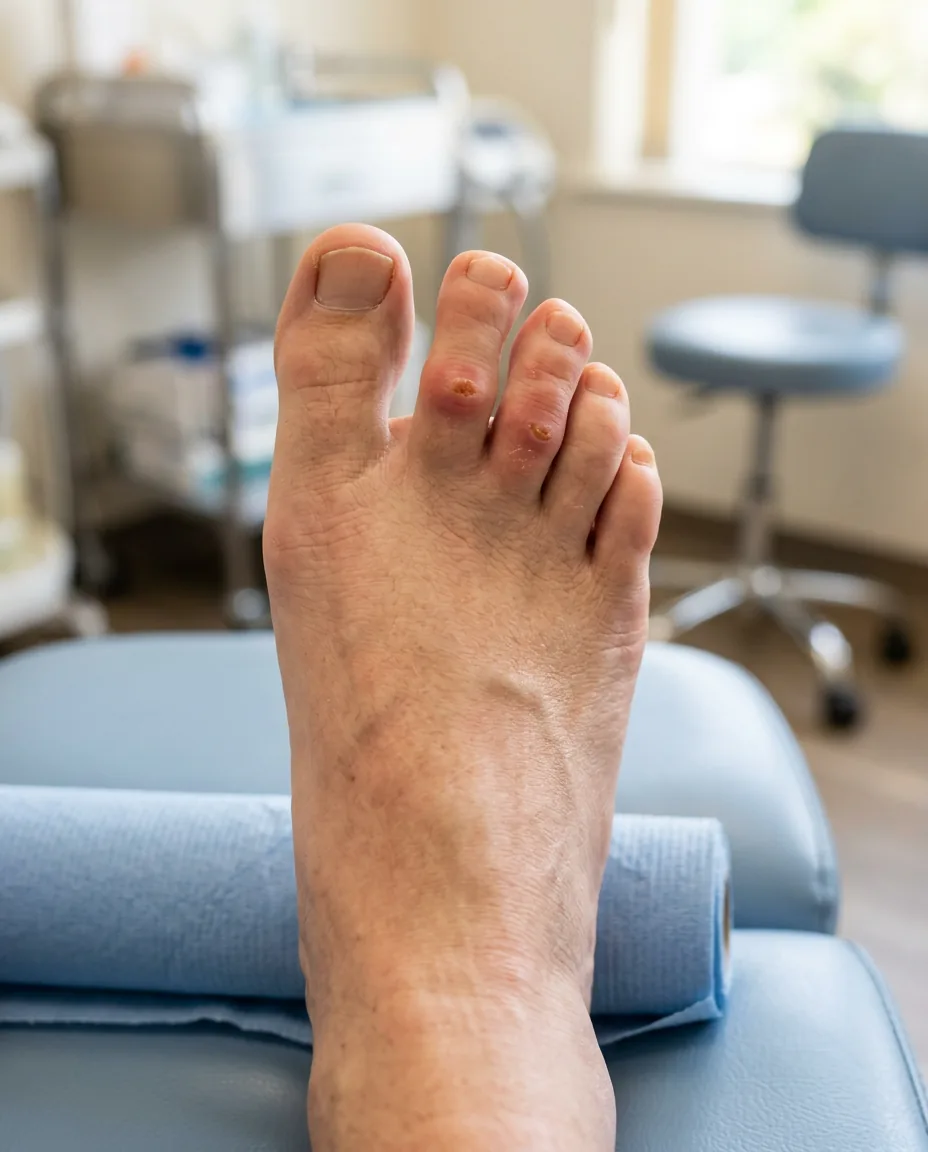
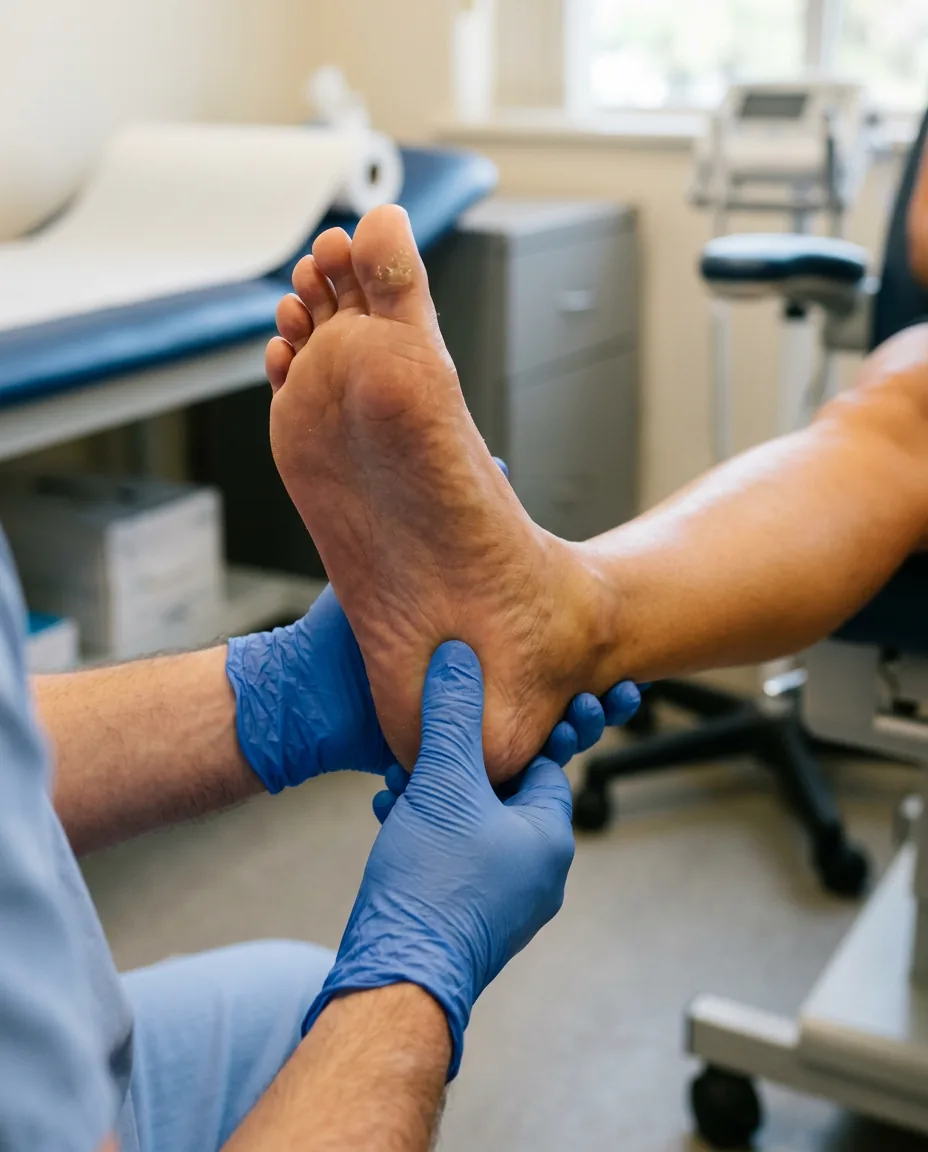
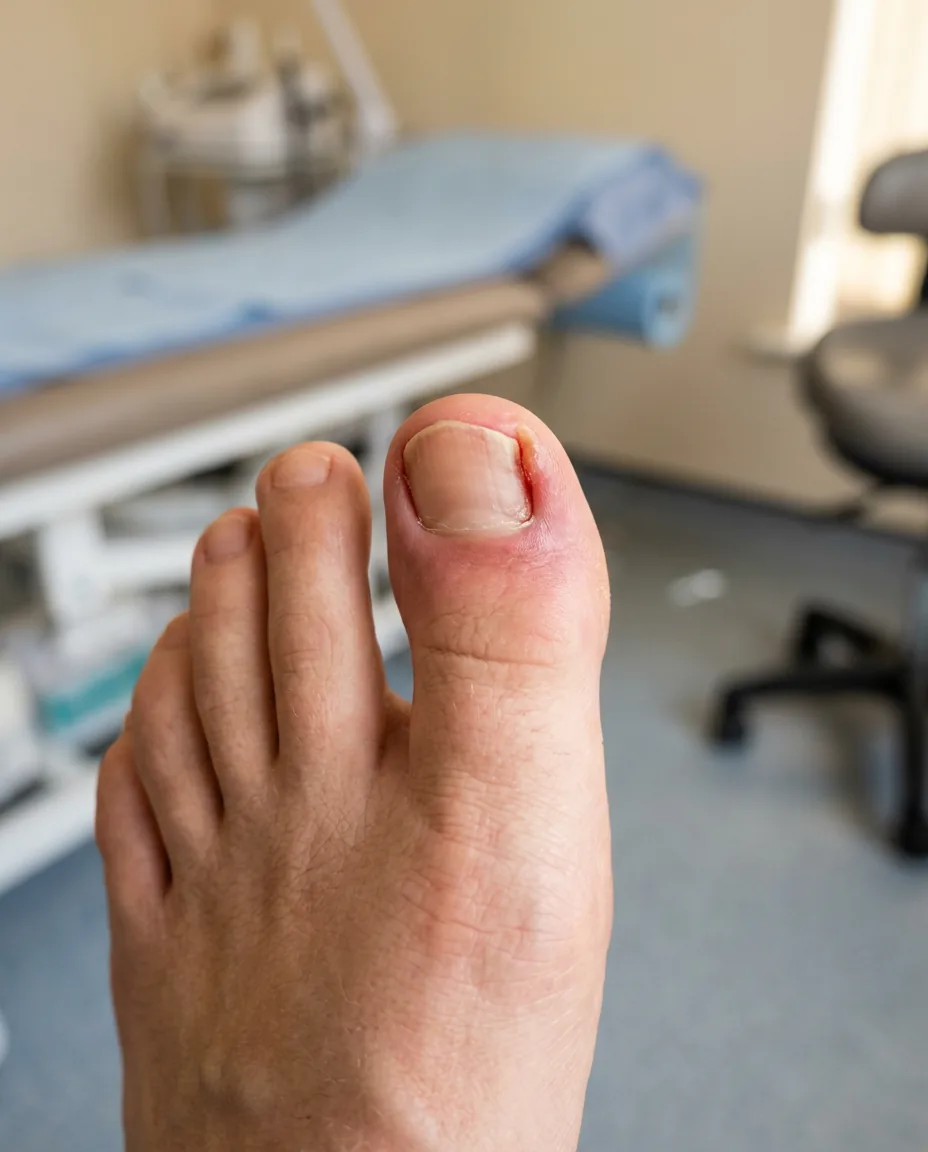
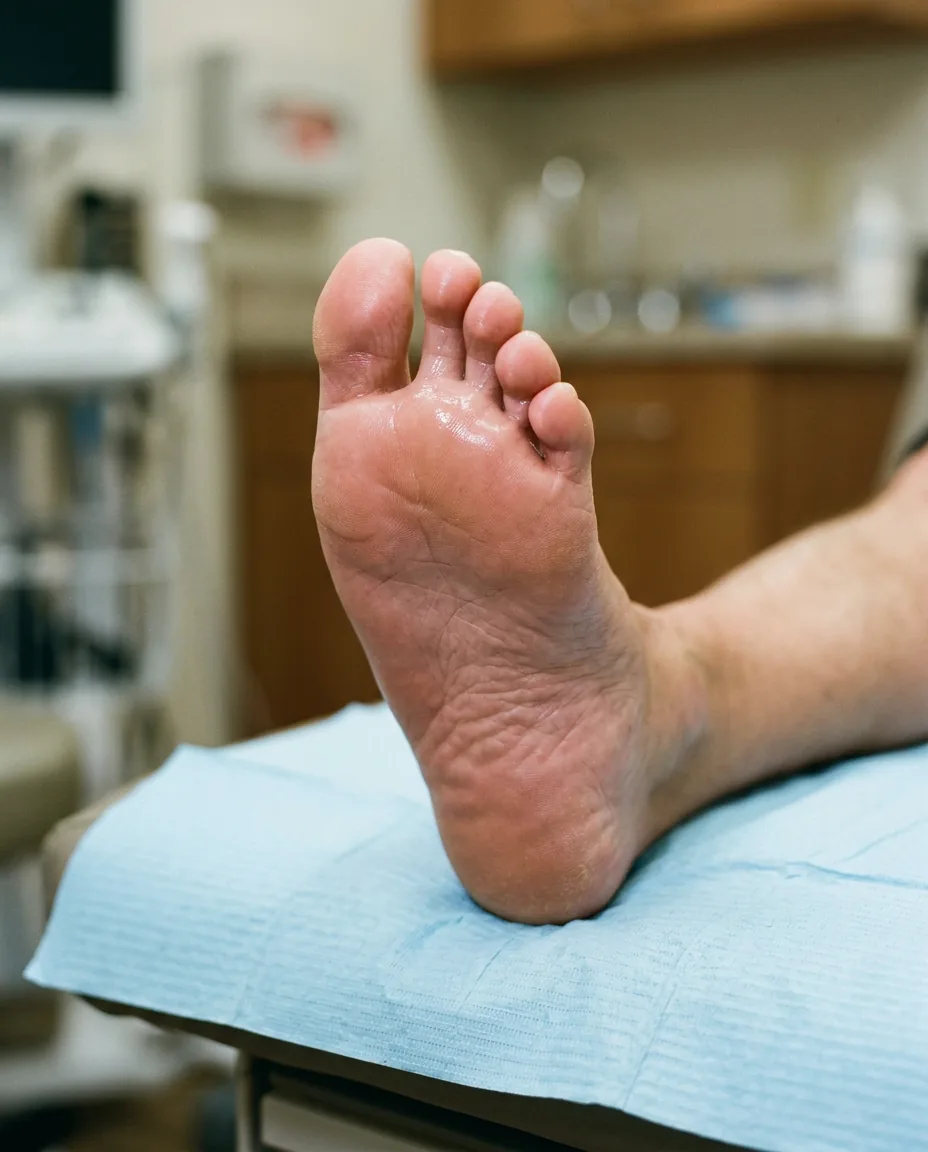
Cupping the painful Achilles tendon and heel — at Complete Chiropody and Podiatry in Chester-le-Street
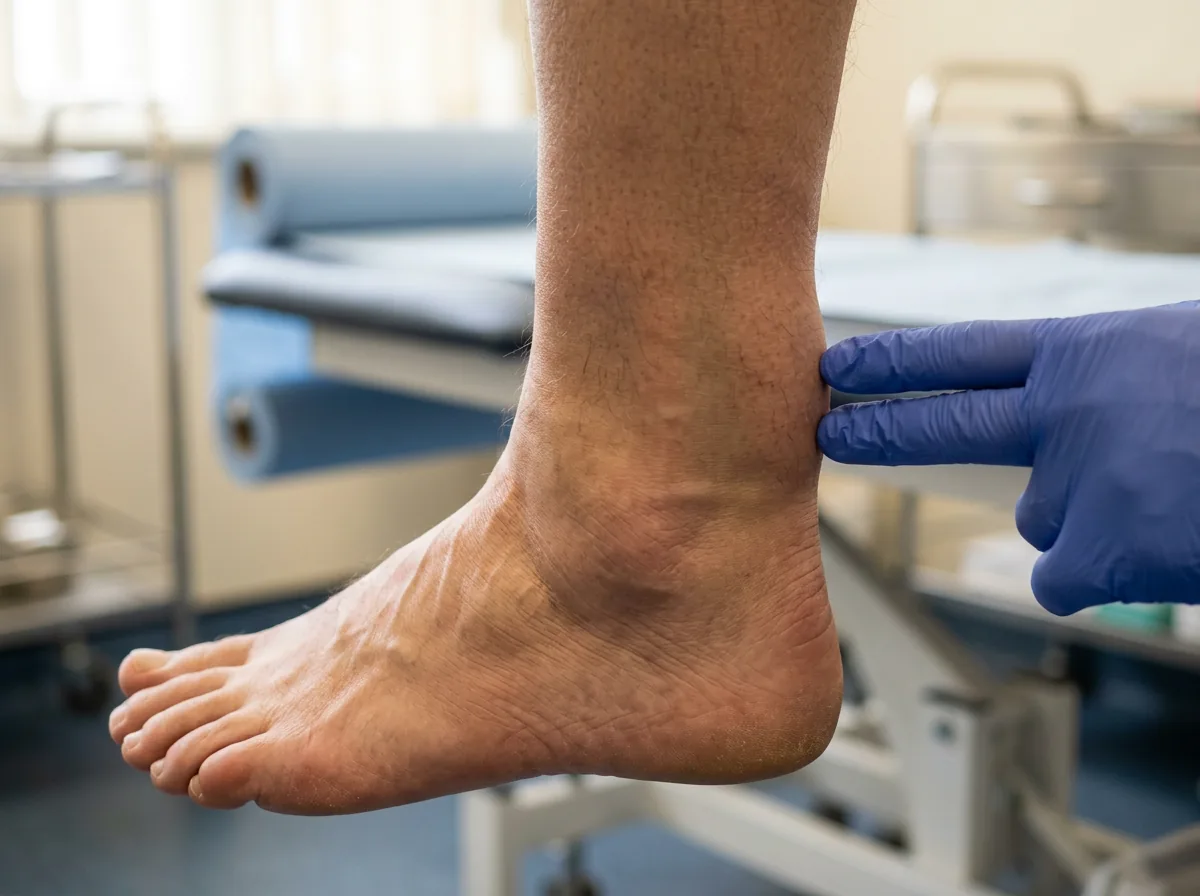
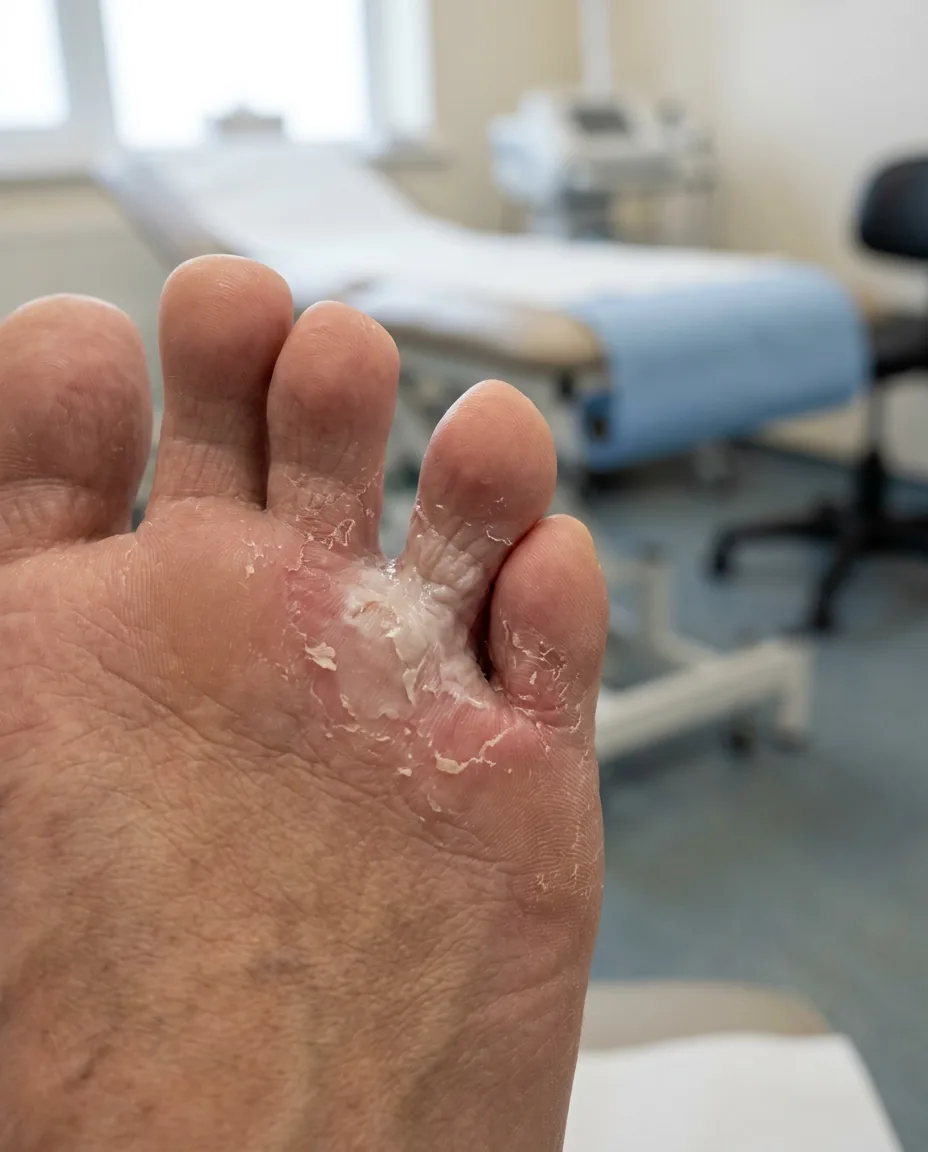
Pinching the mid-portion of the Achilles tendon — at Complete Chiropody and Podiatry in Chester-le-Street
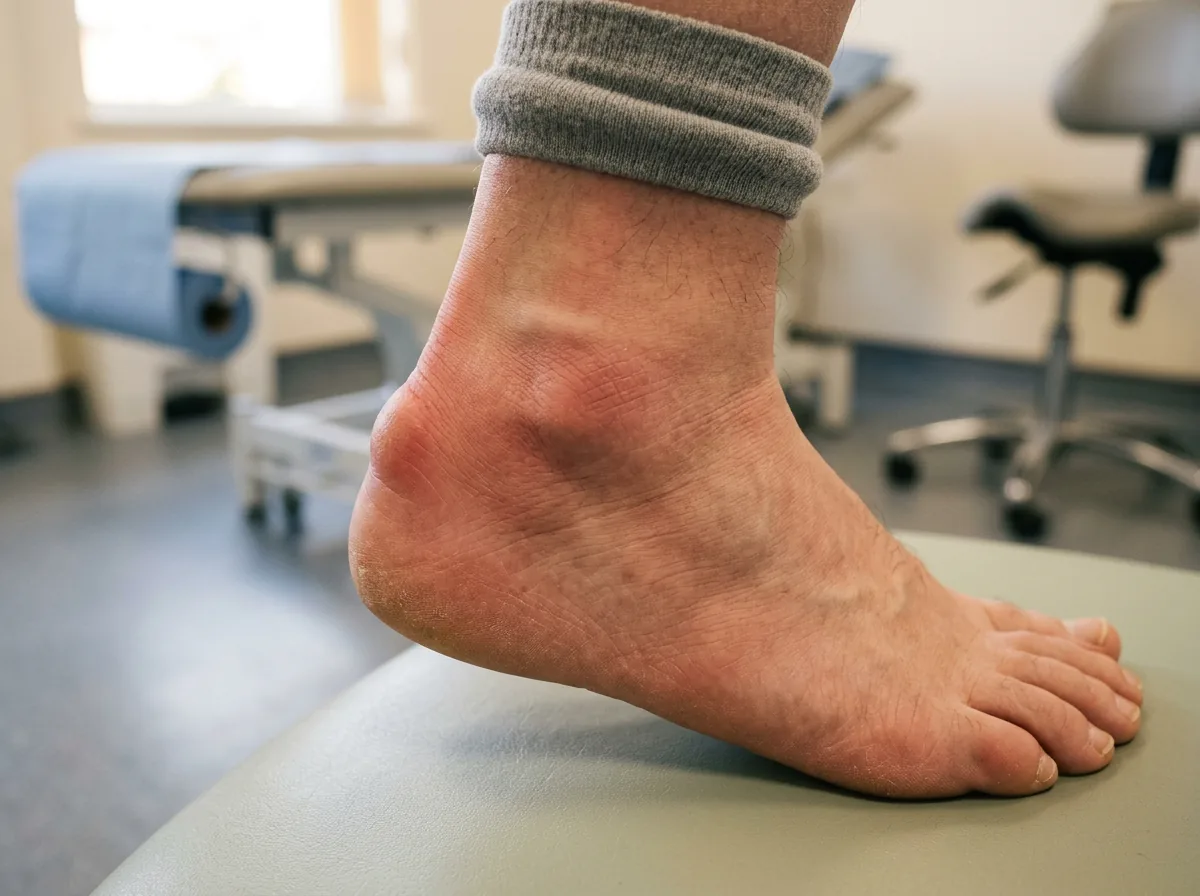
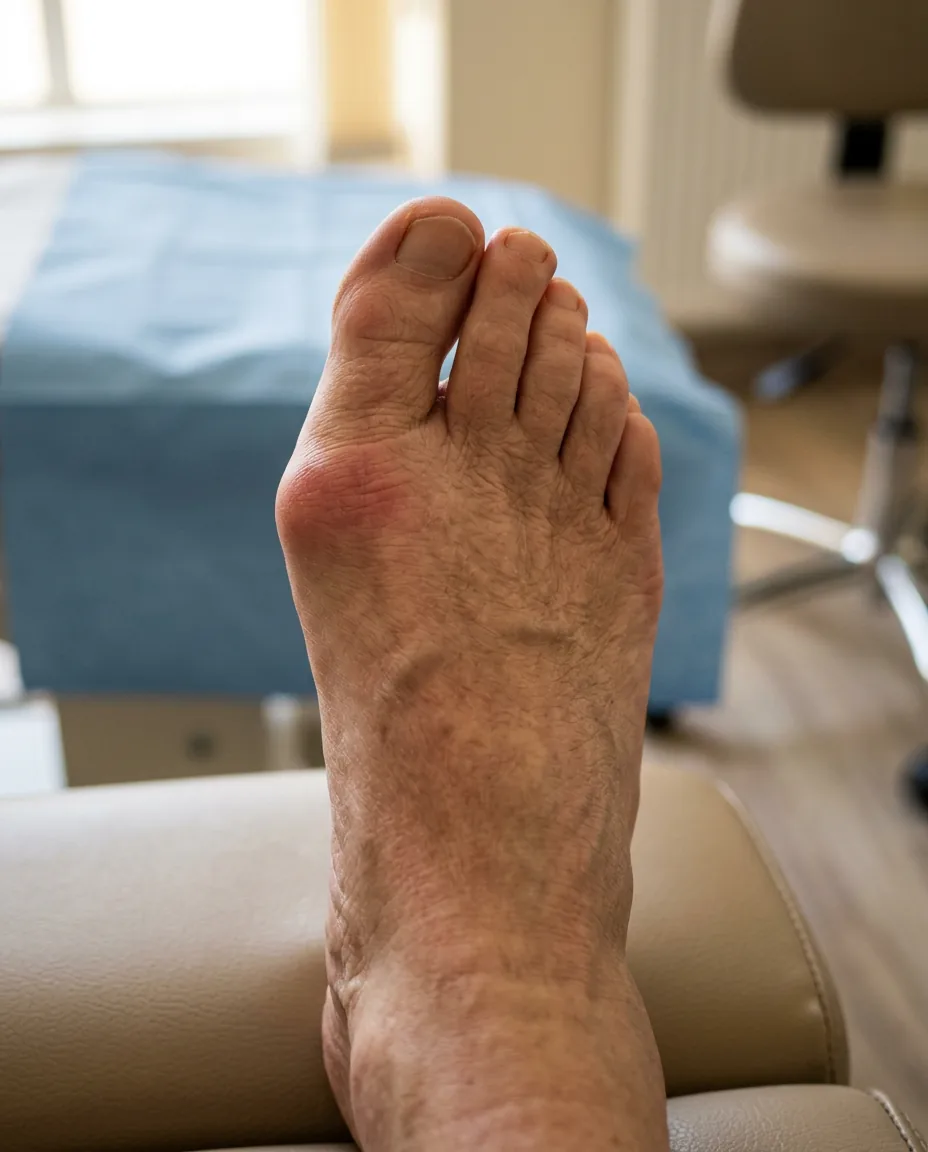
A firm swelling where the Achilles meets the heel bone — at Complete Chiropody and Podiatry in Chester-le-Street
Treatment Information
What we do about it.
01
We find the sore part of the tendon
Pain in the middle of the tendon and pain right at the bone where it inserts behave differently and need different exercises. Getting that wrong is the usual reason someone has been stretching diligently for months with nothing to show for it.
02
We check the calf and how you load it
Calf strength and flexibility, how you push off, and what changed recently — new shoes, a new job, a new walking routine, or a course of certain antibiotics. Tendons complain about change more than they complain about amount.
03
We start you loading it
Tendons respond to graded loading rather than rest. You leave with a specific programme, the repetitions written down, and a clear statement that some discomfort while you do them is expected and acceptable.
04
We take the pressure off the sore spot
A small heel raise takes strain off the tendon while it settles, and it helps immediately where the pain is right at the bone. If the back of your shoe is pressing on the tendon, that shoe is part of the problem.
What you can do at home
Get seen the same day if…
A ruptured Achilles needs assessing the same day at A and E rather than here. A hot swollen calf can be a clot, which is also urgent. Neither is something to sleep on.
Online booking opens soon
Our appointment diary is not open just yet. Leave your details and be the first to know when it opens, so you can pick a time that suits you, evenings and weekends included.
Diary opening soonOr ring 07838 652554 and we will find you a time.

Rather talk to someone?
Ring during opening hours and you will speak to a person. Home visits are arranged this way.
Achilles tendinopathy is degenerative rather than inflammatory, which is why the older term tendinitis has largely been dropped. It divides into midportion tendinopathy, two to six centimetres above the insertion, and insertional tendinopathy at the calcaneus, often with retrocalcaneal bursitis and sometimes a Haglund deformity. Midportion disease responds well to eccentric loading; insertional disease is managed with loading in a reduced range of dorsiflexion, because full-range eccentric work compresses the insertion and provokes it. A heel raise offloads both in the short term. Risk factors include a rapid change in training or occupational load, reduced ankle dorsiflexion, diabetes, inflammatory arthropathy and fluoroquinolone antibiotics. Corticosteroid injection into the tendon is avoided because of rupture risk. The Simmonds calf squeeze test is used to exclude rupture and a positive test is an emergency referral. Most cases improve over three to six months with consistent loading.
Questions
Things people ask about Achilles pain.
Not completely. Tendons weaken with rest and then hurt more when you start again. Cut back what flares it and keep loading it deliberately with the exercises — that combination is what works.
Three to six months is realistic, and the pain usually eases long before the tendon has fully recovered. Stopping the exercises as soon as it feels better is the commonest reason it comes back.
It depends where it hurts. If the pain is right at the bone, aggressive stretching compresses the sore part and makes it worse. That is why we check the location before giving you anything to do.
Not into the tendon. Steroid weakens tendon tissue and carries a genuine rupture risk, so it is not offered for this. There are other options for a tendon that will not settle and we will explain them.
Usually yes, within comfort, and walking is generally better for it than stopping. It is sharp pain and next-day soreness we want to avoid, not activity itself.
Still have a question?
Ask it here and we will come back to you by email, usually the same working day. If it is urgent, calling is quicker.
Online booking opens soon
Our appointment diary is not open just yet. Leave your details and be the first to know when it opens, so you can pick a time that suits you, evenings and weekends included.
Diary opening soonOr ring 07838 652554 and we will find you a time.
Rather talk to someone?
Ring during opening hours and you will speak to a person. Home visits are arranged this way.
Achilles pain
treatment in Chester-le-Street
Our clinic is in Chester-le-Street, right next to Tesco, so parking is free and it is less than a minute's walk from the car park to our door. We also see people from the towns and villages around it, and visit at home across the same area.